Multi-year: RO permeate production
Feed water going straight to the resin
Unexpected changes in the raw feedwater supply began to cause problems for a coal power station built in the 1980s. Historically, feedwater pre-treatment was never required so the raw feedwater went straight to the customer’s ion-exchange treatment process. With increasingly lower demin water quality production the customer could no longer put off repairs needed to their ion-exchange system.
Requiring a temporary solution, with the root cause of the feedwater changes uncertain, Ecolutia accepted the challenge of providing a three-step demineralisation process so the power station could continue producing electricity whilst the onsite investigation and refurbishment work continued.
The power station was on a preliminary shortlist to close, but output was secure for the next three years. However, constraints on site investment meant the customer insisted the Ecolutia solution had a high level of system automation and limited site visits to once every two weeks.
Filtration, high-flow RO, and remote monitoring
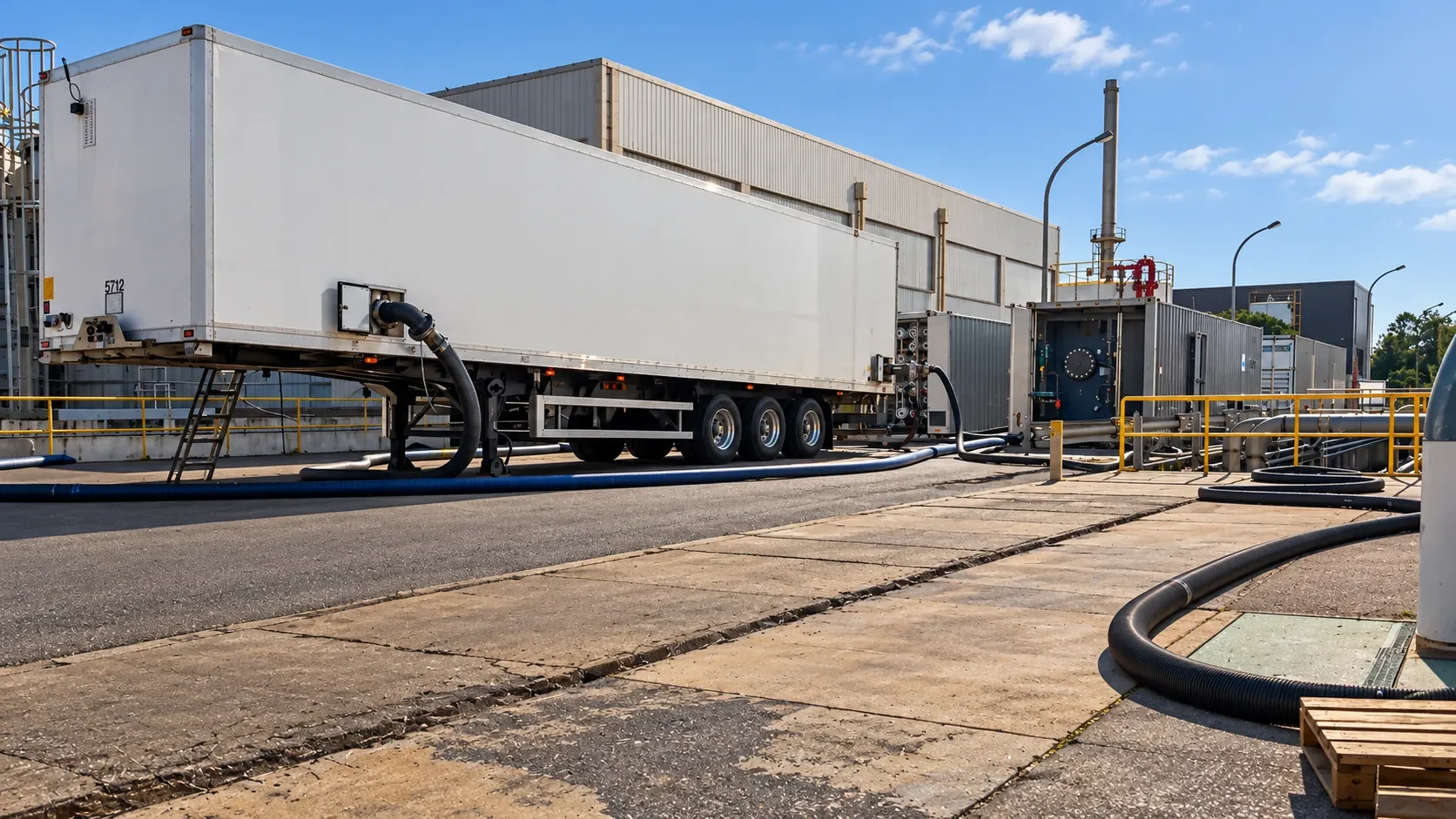
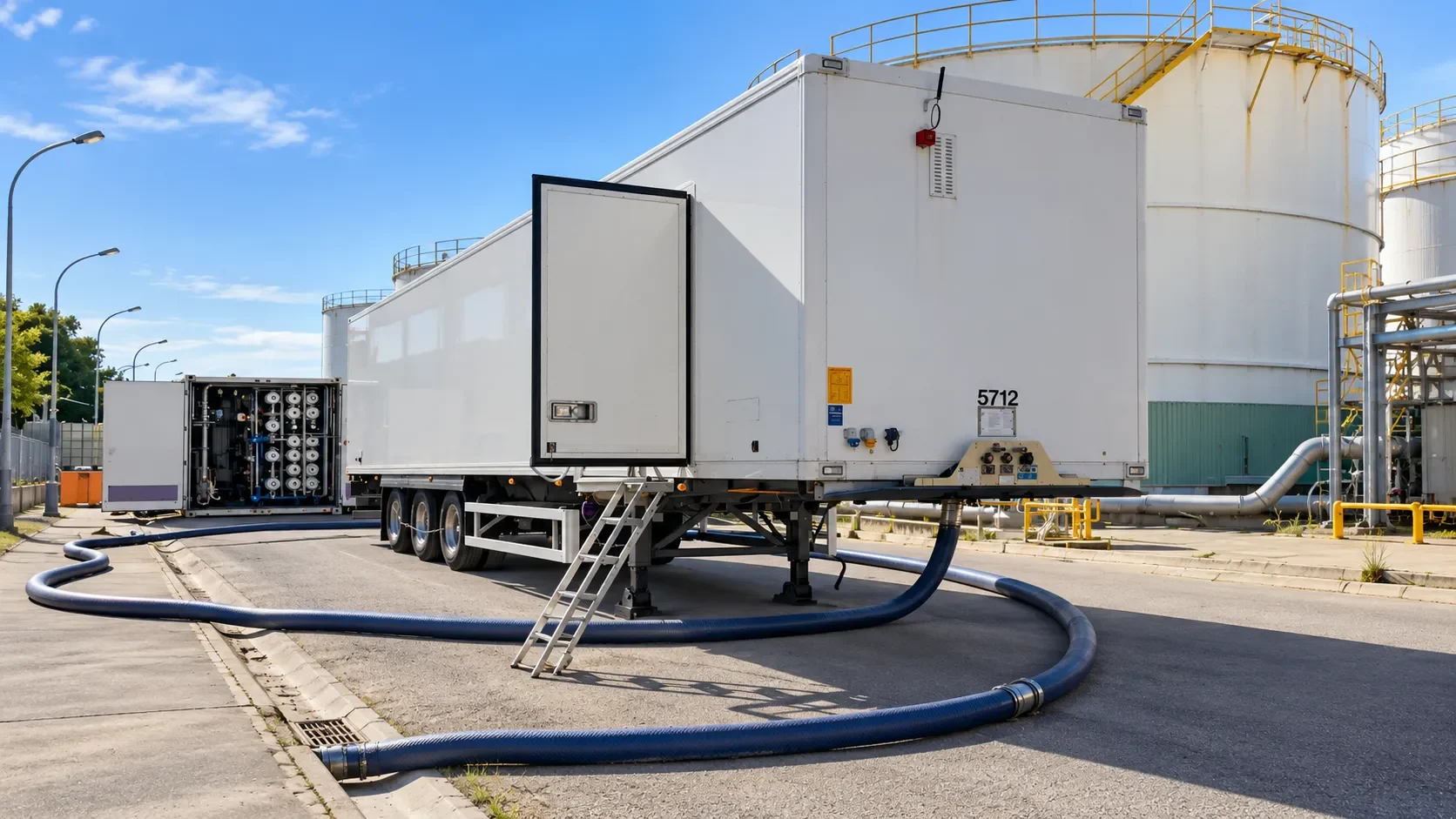
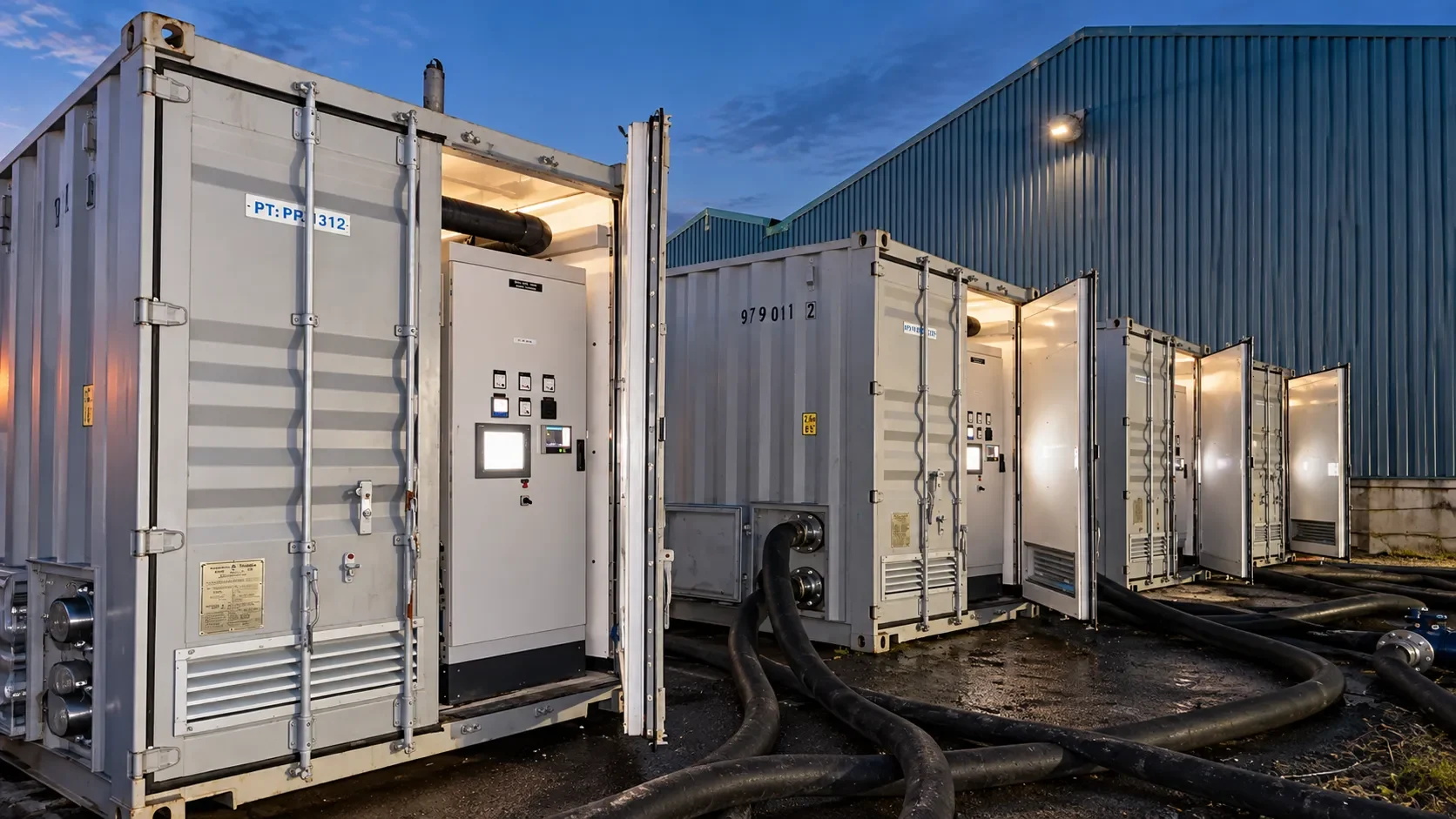
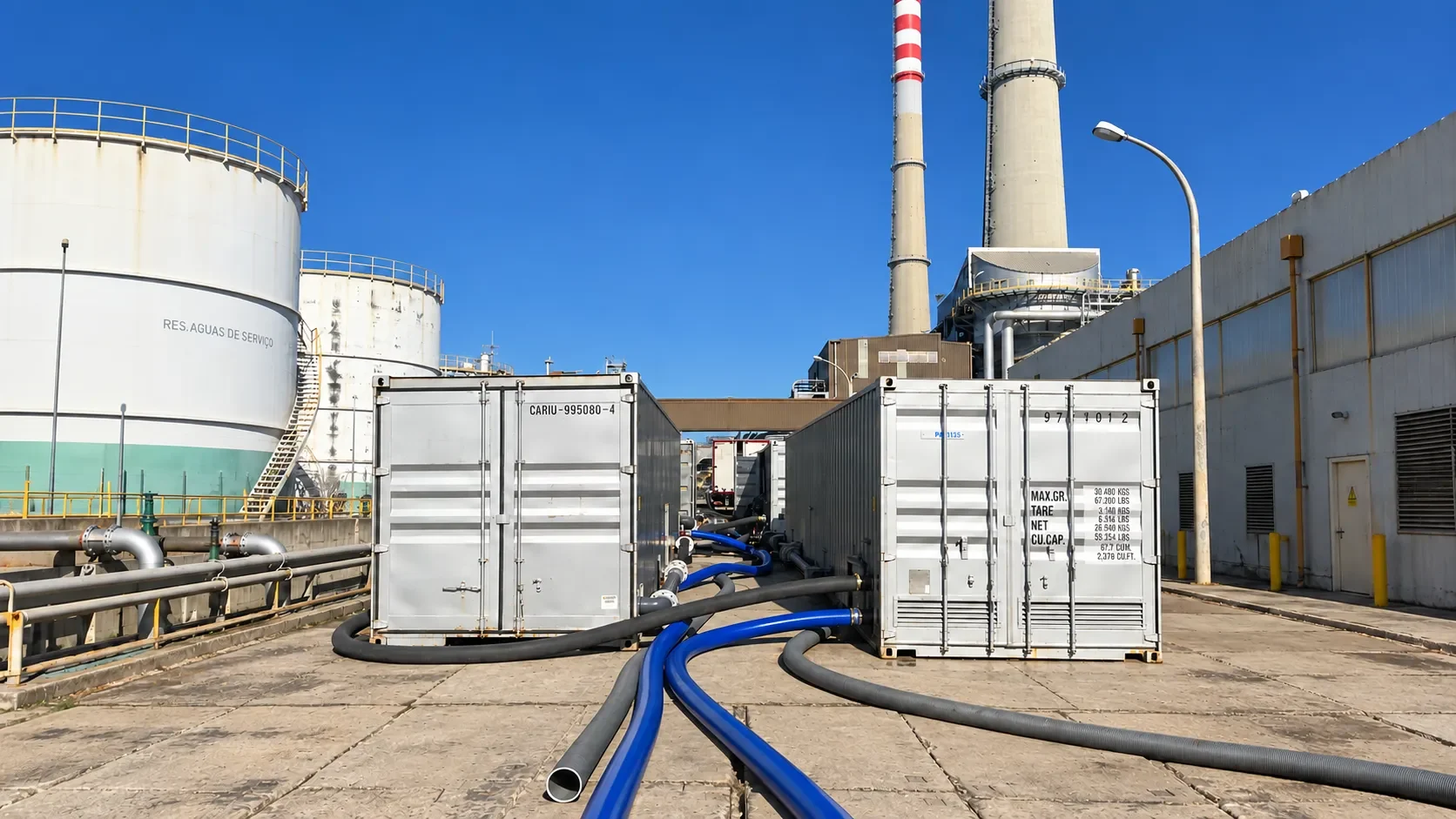
Ecolutia filtration, reverse osmosis and ion exchange systems were installed and configured for remote monitoring, backed up with scheduled site visits. The site visits presented the only opportunity to undertake general maintenance or necessary changes so the automation needed to be robust.
The first step was the Ecolutia Proteus multi-media filtration system to remove contaminants in the feedwater taken from a nearby reservoir, fed by a local river. The close monitoring of the feedwater allowed adjustments to the volume and type of chemical dosing needed to remove the contaminants.
The second step was the Ecolutia Triton brackish water high-flow reverse osmosis system operating at 75% recovery, with a minimum of 97% rejection to produce up to 130 m³/h of permeate water.
The third step was an ion-exchange demineralisation system used whilst the customer completed maintenance work to their own demineralisation plant. Two months later when the customer completed their work the Ecolutia system was taken offline, but the Ecolutia filtration and RO systems continued operating to feed the restored customer ion exchange plant.
The capacity of the filtration system and smooth operation of the RO allowed the refurbished ion-exchange plant to operate almost 24 hours a day, 7 days a week. Less than 30 minutes of filtration backwash was needed as the Proteus filtration tanks were set up to work in a duty/standby configuration.
A three-month contract that became three years
Initially contracted as a 3 months temporary project, the customer continually extended the contract as Ecolutia systems helped reduce ion exchange regeneration frequency from once a day to once every 2 months. This saving in chemical use and deployment of manpower was notable.
The Ecolutia field service team continued with site visits every 2 weeks and the remote monitoring team kept operations under review 24/7. The customer also completed daily visual readings and feedback.
Following confirmation of the plant’s closure, the customer retained Ecolutia’s systems for a further 2.5 years until the remaining coal stock was used and electricity generation ceased. This helped avoid a capital investment needed for a new filtration system had the Ecolutia contract come to an end.