Strict ZLD rules, dirty condensate, lost time to recover
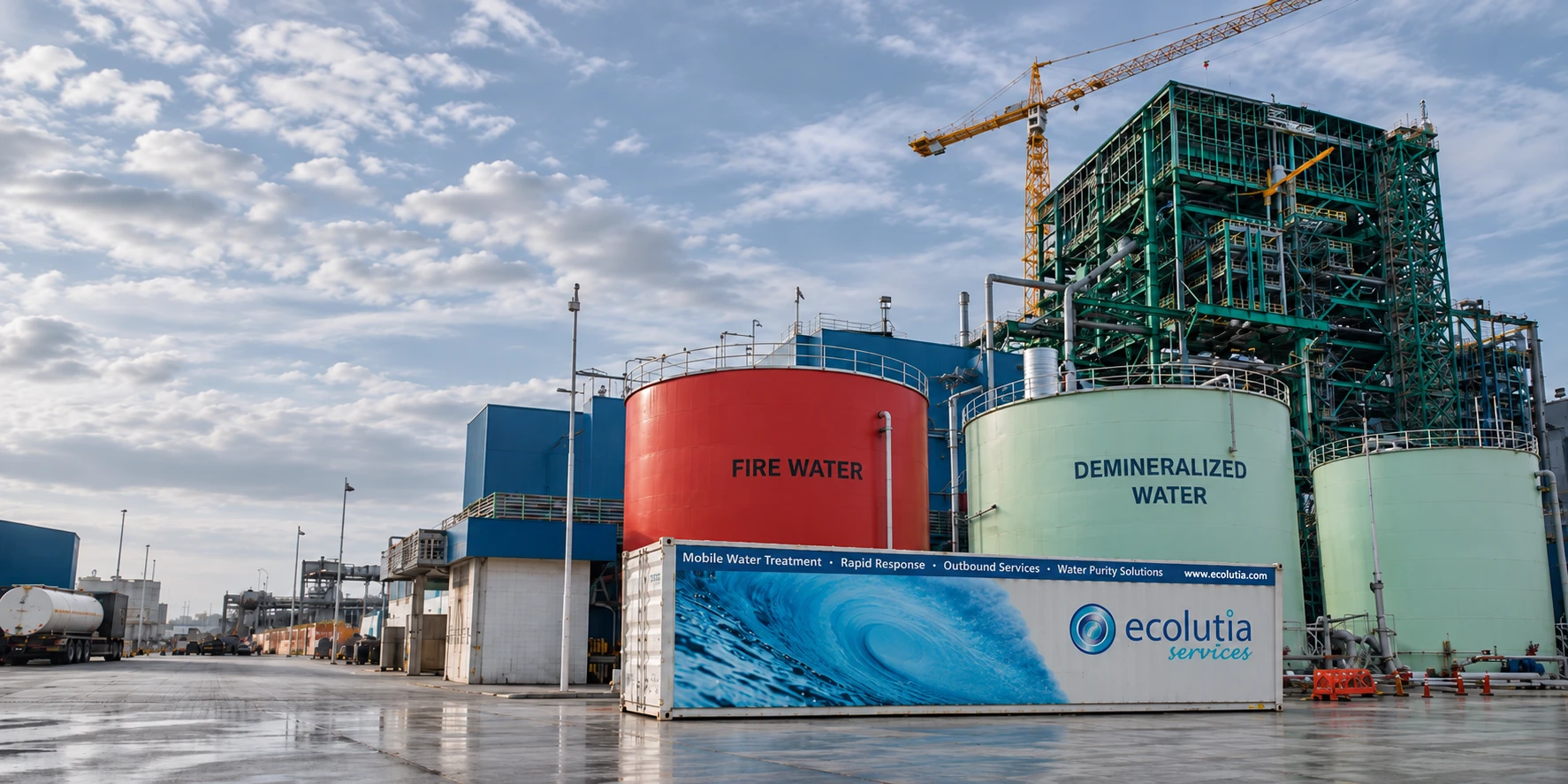
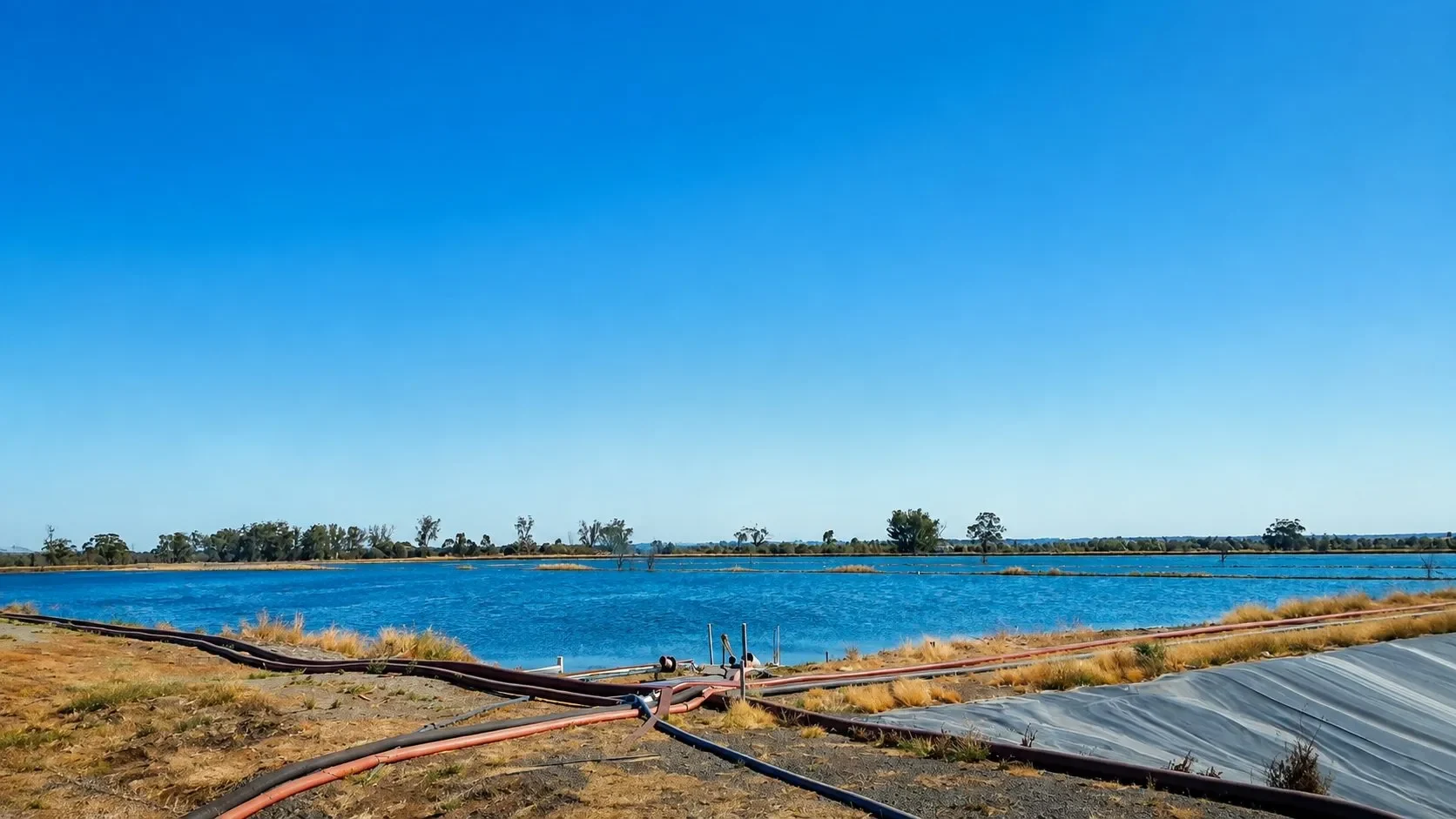
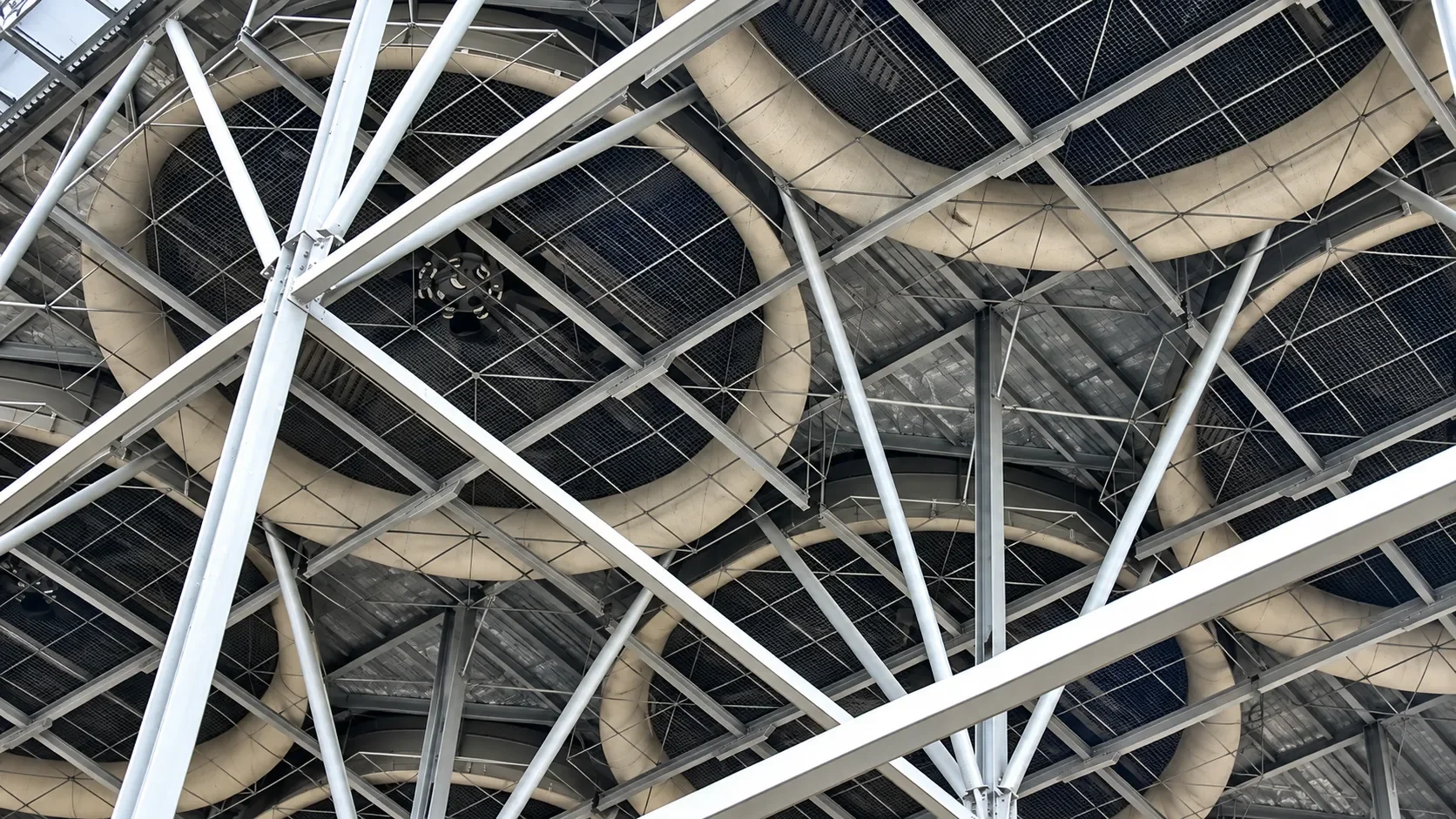
To protect the local habitat, the new station was built as a zero liquid discharge site — so contaminated condensate from commissioning the air-cooled condenser could not simply be discharged, and removing it by tanker convoy was uneconomic and merely displaced the problem.
The condensate ran high in turbidity, silicate and iron particulate, yet had to reach demineralised quality for reuse in the high-pressure boiler — economically, compliantly, and while regaining time lost to construction delays.
Settle, filter, exchange — without chemicals
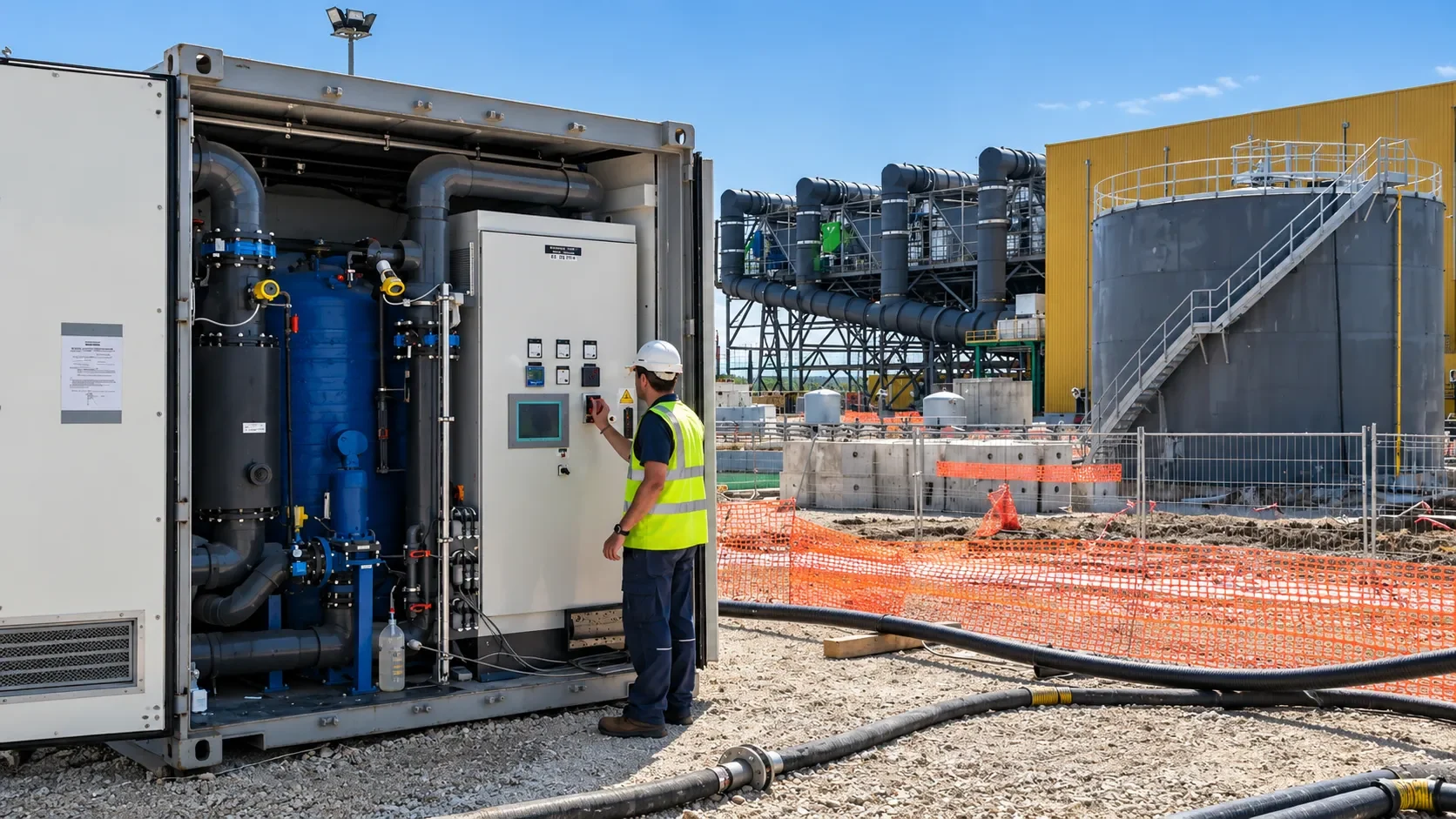
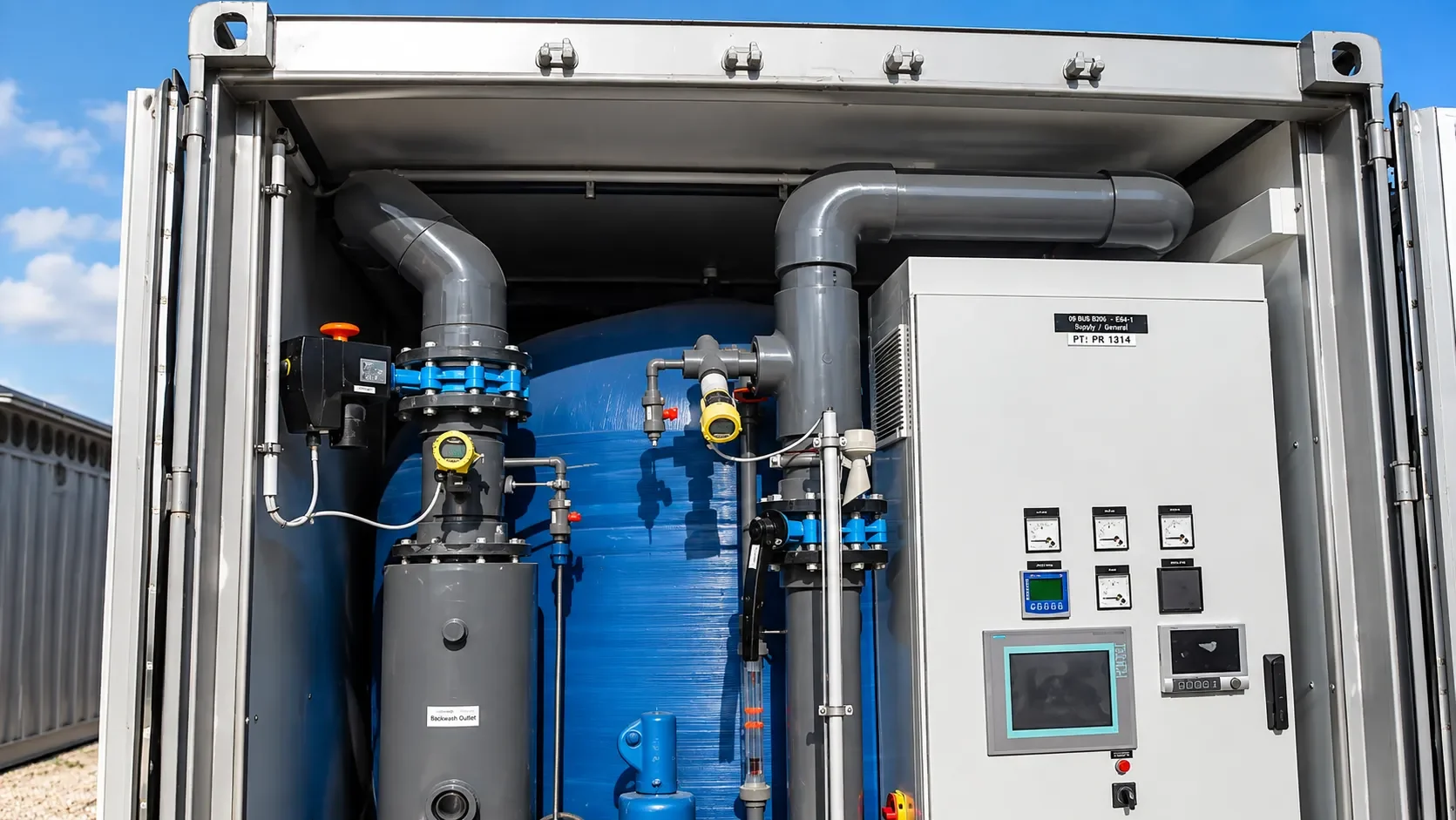
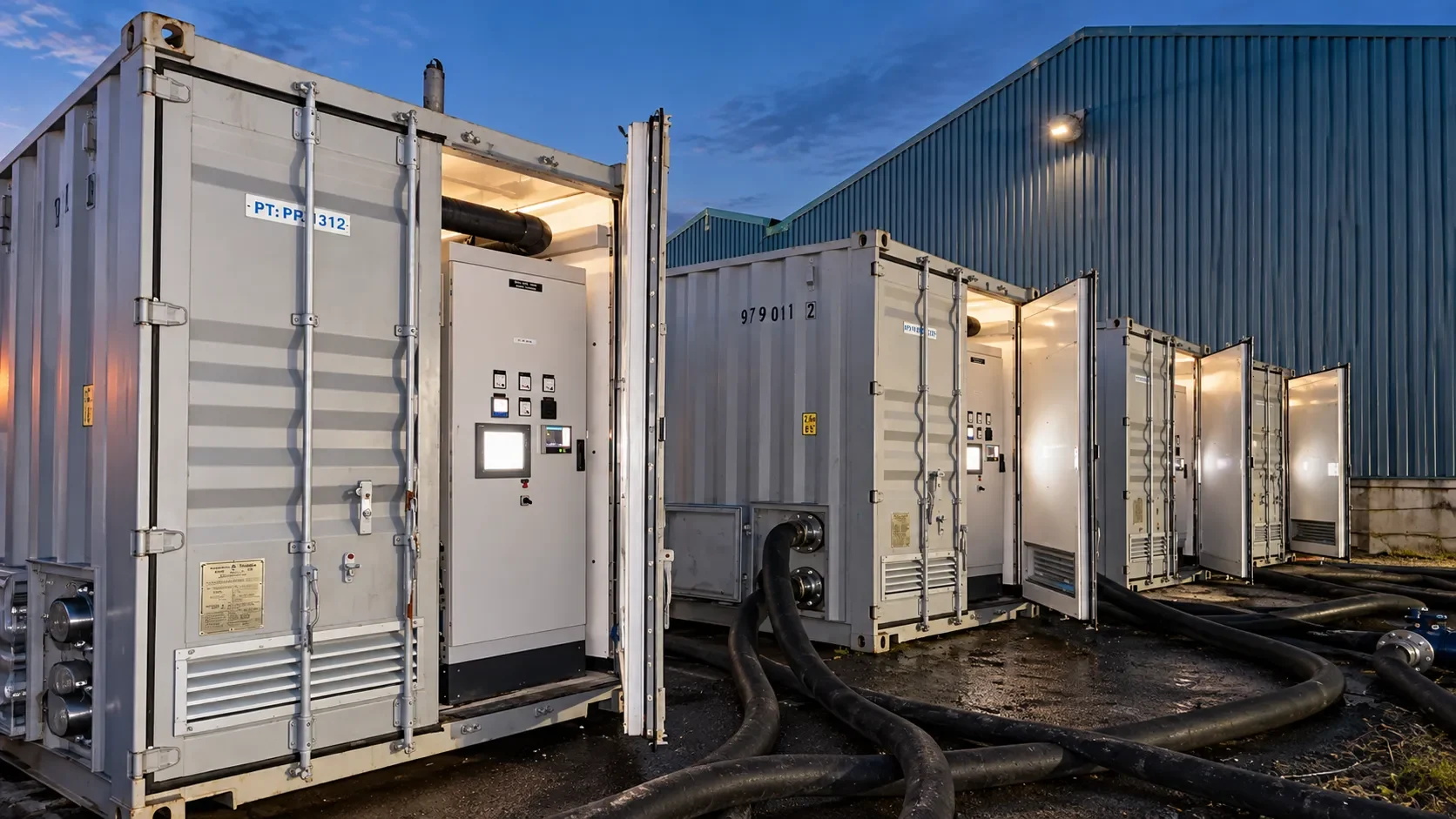
Condensate was aerated and blended with cold demineralised water in the site’s largest basin, settling particulates and cutting turbidity below 10 NTU without chemical use. Proteus systems in multiple configurations then filtered and polished it through proprietary media, custom loaded ion-exchange and mixed-bed resin.
Cleaner than spec, faster than planned
High flow through the Proteus systems cleaned the ACC thoroughly and ahead of schedule — achieving 0.5 ppm Fe against a 1 ppm customer spec — with a single field service engineer running the automated plant. The commissioning manager extended the contract to polish condensate through steam-turbine commissioning, and the developer has since named Ecolutia preferred supplier of condensate polishing for all its global projects.